Categoria: 3D BIM Modelling

  • New Museum of London, General Market Roof

    New Museum of London, General Market Roof

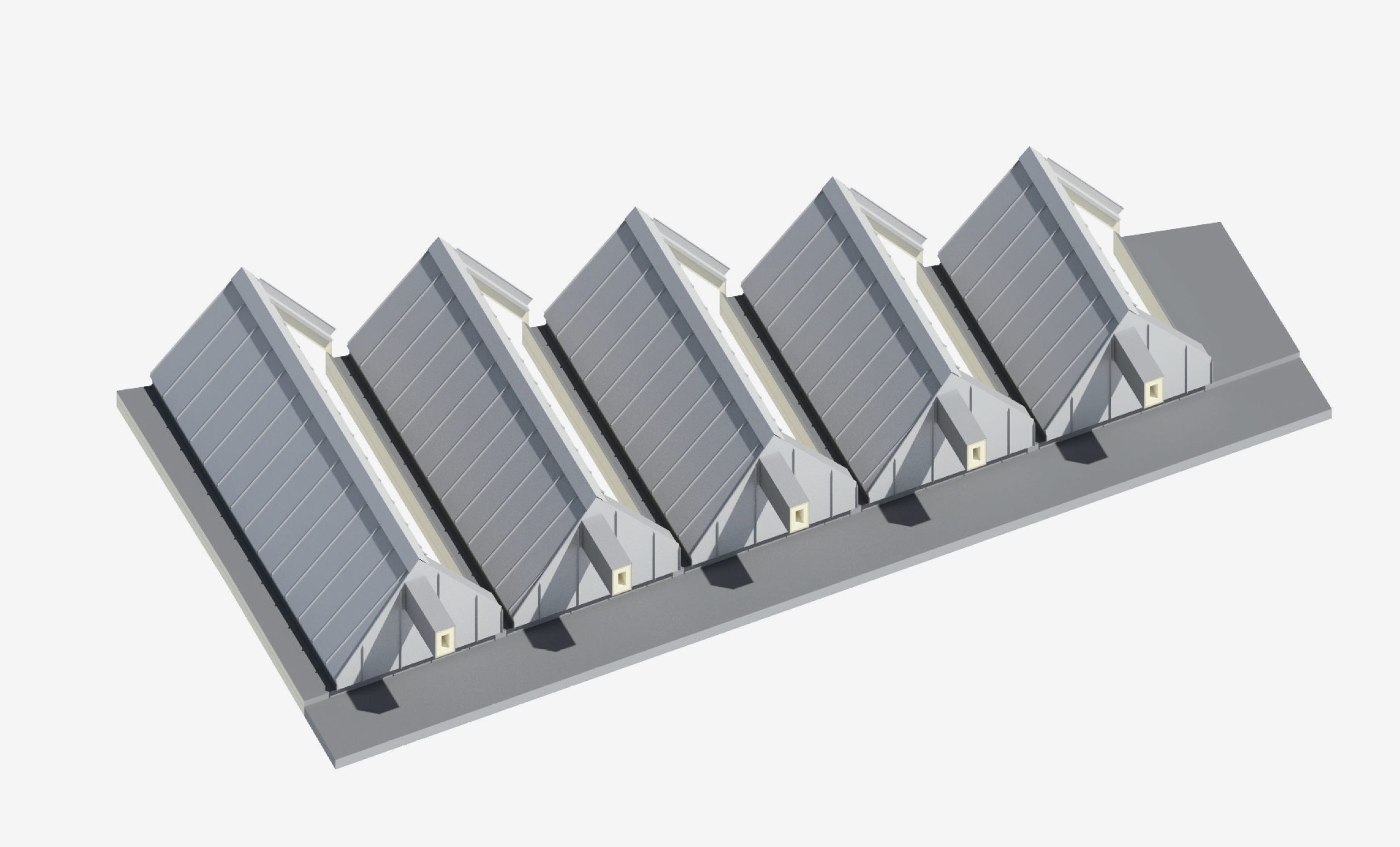
    The work involved creating a 3D model of the General Market roof for the new Museum of London, developed for BIM purposes in line with the client’s design. The model accurately represented the geometry, structure, and design intent of the roof, providing a coordinated digital asset for project use.

    The model was produced using Autodesk Revit, enabling integration within the wider BIM workflow and supporting design verification, coordination, and future project management.
  • Edinburgh Tram Improvement Scheme

    Edinburgh Tram Improvement Scheme

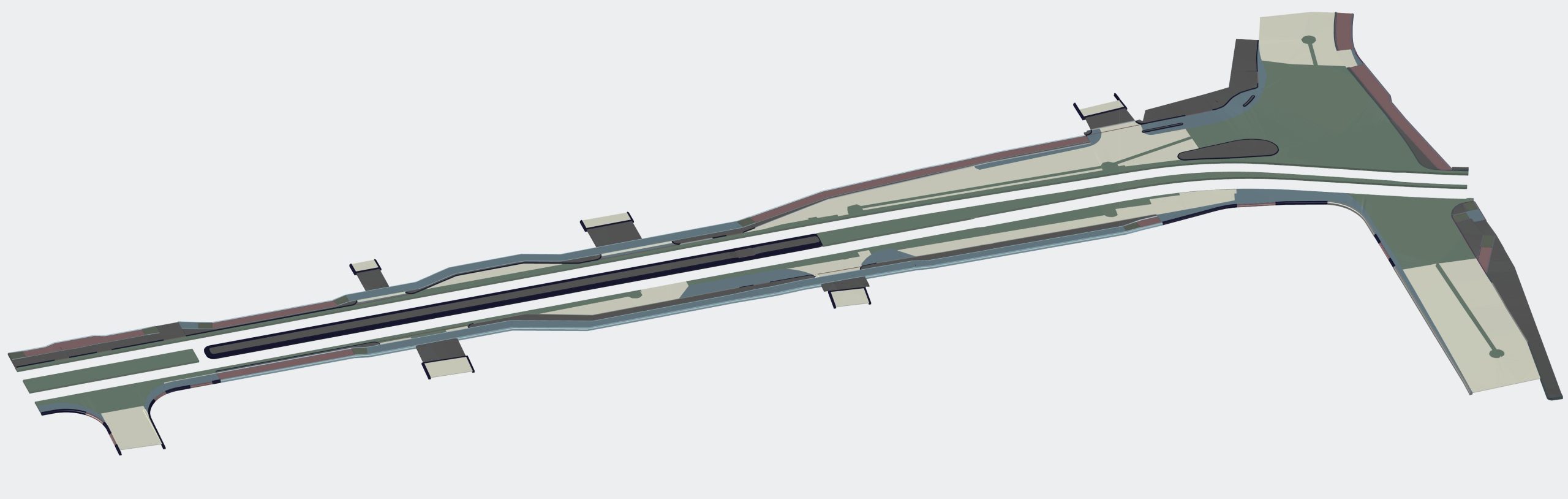
    This project covered modelling the tram alignment along with the surrounding roads, footways, and cycle paths for the Museum of London development. A BIM model was created with detailed asset information, including Uniclass, Asset, and COBie data, to represent different pavement makeups accurately.

    The final model was incorporated into the end client’s federated BIM environment, providing a fully coordinated digital asset for design verification, project management, and ongoing infrastructure use

  • Leeds University Science Building MEP for Special Gases

    Leeds University Science Building MEP for Special Gases

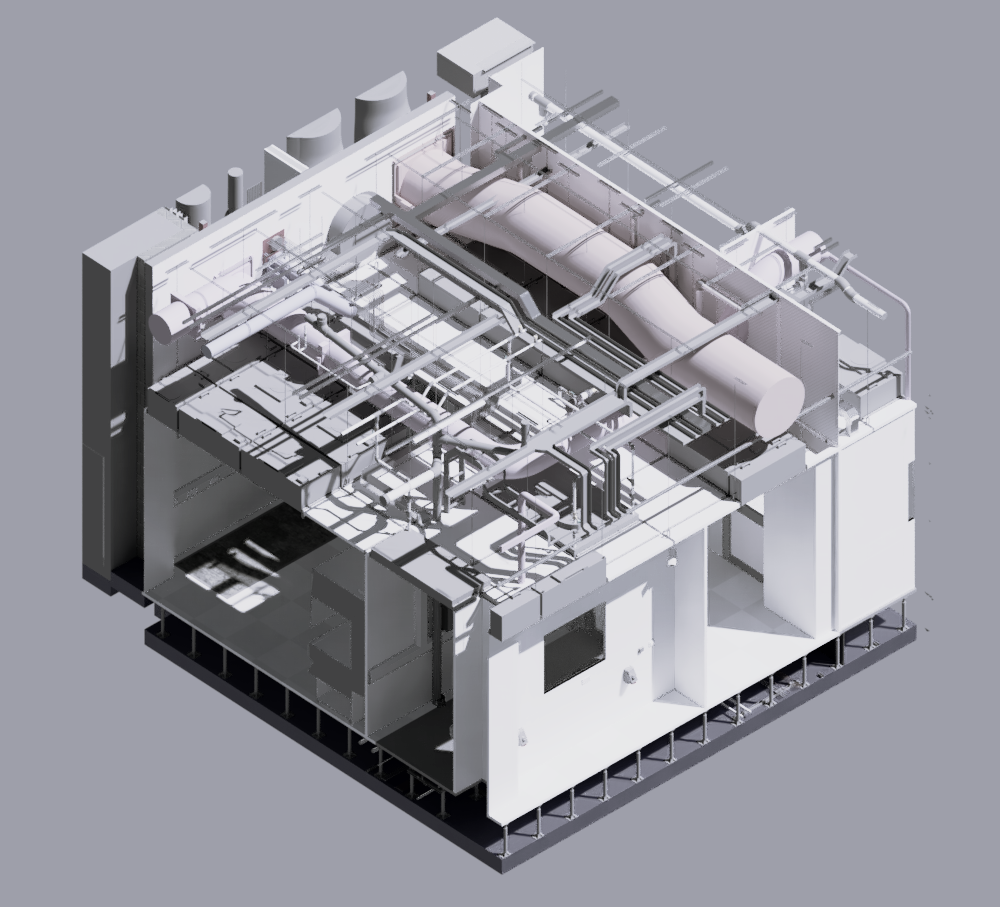
    The work consisted of modelling the specialist pipework systems supplying laboratory gases within a university science building. The pipework required precise routing and coordination within a complex building environment.

    Daily interaction with the design team was necessary, as the building was being constructed while the model was being developed. This ensured that the model remained fully aligned with ongoing design updates and site conditions.

  • Hayes Warehouse project

    Hayes Warehouse project

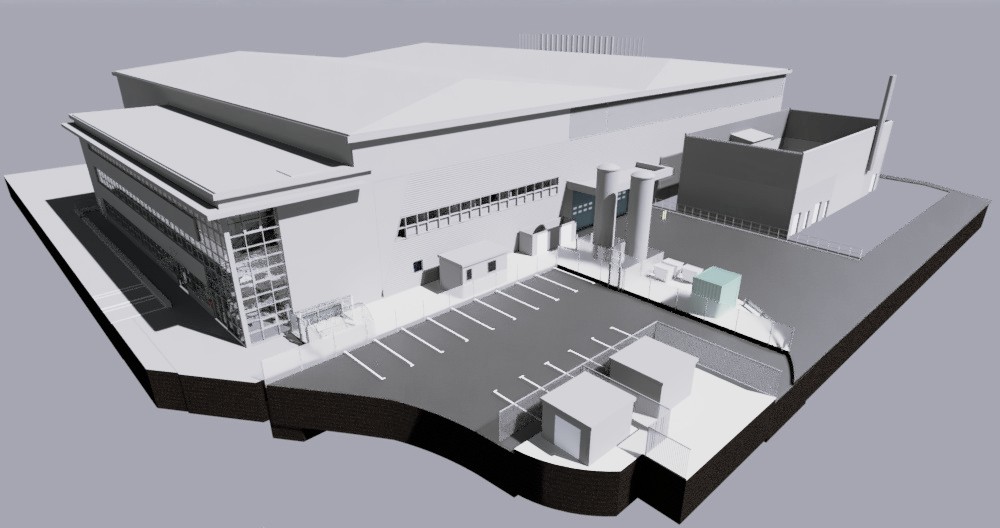
    This project involved the development of a detailed 3D model of an existing warehouse building, based on CAD design drawings to ensure accuracy and alignment with the available documentation. The model incorporated architectural elements, structural components, and MEP systems, providing a coordinated and comprehensive representation of the building.